All-on-X Dental Implants in Barrie: A Full Smile in One Day

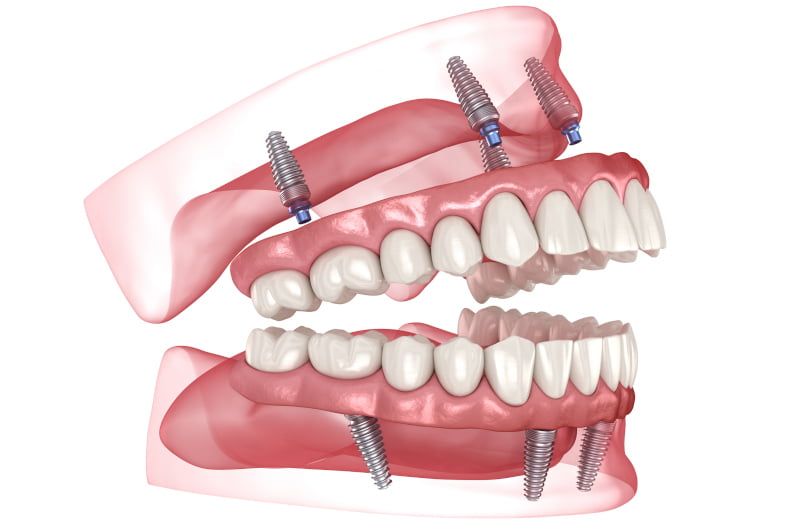
What Does All-on-X Mean?
The "X" in All-on-X represents a variable. It is the exact number of implants a particular patient needs to securely support a full arch of teeth. That number might be four, five, six or occasionally more. Each implant is a small titanium post placed into the jawbone that serves as an artificial tooth root. Once the posts are in position, a single fixed dental bridge is attached to them, creating a complete row of teeth that looks, feels and functions like a natural set.
Because the bridge is screwed directly onto the implants, it cannot shift or rock the way a removable appliance does. Patients report being able to bite into foods they had avoided for years, speak without worrying about movement and forget they are wearing a restoration at all. For anyone currently struggling with loose plates or considering full-mouth dental implants, All-on-X offers a fundamentally different level of stability, comfort and long-term bone preservation.
From All-on-4 to All-on-X: How the Treatment Evolved
All-on-X builds on that foundation without locking every patient into one fixed number. Some jaws have ample bone, and four implants provide all the support necessary. Others have thinner ridges in certain areas, heavier bite forces or a wider arch that benefits from a fifth or sixth implant for additional stability. The goal is always the same: the fewest implants needed to deliver a result that is strong, predictable and built to last. At our Barrie clinic, the treatment plan is guided by your anatomy, not by a one-size-fits-all formula.
Fixed Provisional Teeth on the Same Day
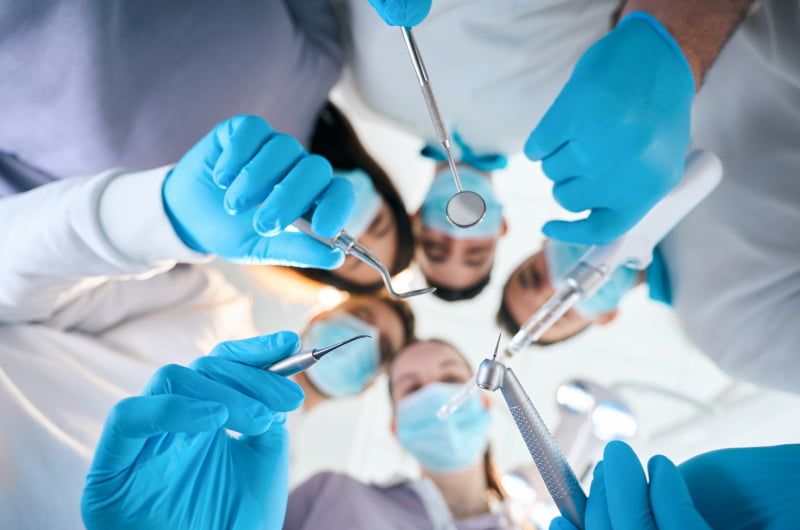
When conditions allow, the entire sequence of extracting compromised teeth, placing implants, and attaching a provisional bridge can be completed in one appointment. This same-day protocol, sometimes called teeth in a day, means there is no gap period without teeth. Infection is cleared, the bite is established on the spot, and patients walk out with a set of teeth that are functional from day one. If you are experiencing pain or swelling that cannot wait for a planned procedure, our emergency dental service can address the immediate issue while we plan the longer-term reconstruction.
How We Plan Your Case Digitally
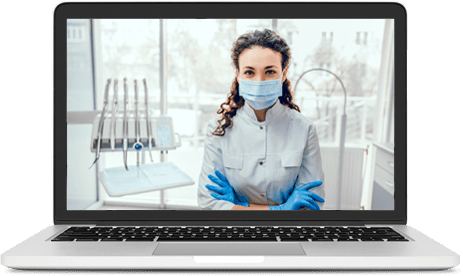
Precision in full-arch treatment starts well before the first incision. Our Barrie clinic uses a connected digital chain that links every stage of diagnosis, design and fabrication. That chain includes four key technologies:
CBCT 3D Cone Beam Imaging
A cone beam scan produces a detailed three-dimensional map of your jawbone, nerve pathways and sinus cavities. It shows us exactly where bone is thick enough to accept an implant and where it is not, so every post can be positioned with millimetre-level accuracy before the procedure begins.
iTero Intraoral Scanning
Instead of biting into a tray of impression material, we capture a full-colour digital model of your teeth and soft tissue in minutes. The scan is immediate, comfortable and precise, and it feeds directly into the design software without any manual casting step.
Digital Smile Preview
Using the CBCT and scan data together, we create a virtual rendering of your future smile layered over your facial proportions. You see the projected result on screen, discuss any changes and approve the design before any surgery takes place.
On-Site 3D Printing
Surgical guides and provisional bridges are printed in our clinic rather than sent to an outside laboratory. Producing these components on-site shortens turnaround time, improves the fit between the guide and the actual bone surface, and gives us the flexibility to adjust details on the day of surgery if needed.
Taken together, these tools reduce chair time, lower the margin for error and allow us to show you a realistic preview of the outcome before committing to treatment.
Treatment Levels and Pricing
We believe patients should know what treatment costs before they commit, not after. That is why we publish three clearly defined treatment tiers. The surgical procedure, digital planning and sedation are the same across all three. The difference lies in the materials used for the final restoration.
| Treatment Level | Price / Arch | Financing | Restoration |
|---|---|---|---|
| Essential | From $19,995 | From $400 / month* | PMMA hybrid restoration |
| Core (Most Popular) | From $24,995 | From $465 / month* | Titanium-reinforced restoration |
| Premium | From $29,995 | From $594 / month* | Full zirconia restoration |
The Essential tier uses a high-quality PMMA polymer bridge that provides excellent function and aesthetics at the lowest entry point. The Core tier reinforces the bridge with a titanium substructure for greater long-term durability and is the option most patients choose. The Premium tier uses monolithic zirconia, which offers the highest resistance to wear, staining and fracture. Our team walks you through the differences during your consultation so you can choose the level that fits your goals and your budget. Details on monthly payment plans are available on our dental financing page.
Could You Be a Candidate?
There is no single profile for the "typical" All-on-X patient. We see retired teachers, construction workers, young professionals and grandparents. What they have in common is one or more of the following:
- Teeth that are failing faster than they can be repaired individually.
- Existing dentures that slip, cause sore spots or limit diet.
- Embarrassment about their smile that affects social confidence.
- A dental professional's recommendation that remaining teeth cannot be saved.
- Frustration with repeated temporary fixes that never resolve the underlying problem.
Age on its own is rarely a disqualifying factor. The critical variables are general health, the quantity and quality of available bone and the condition of the soft tissue. Modern imaging lets us evaluate all of these before recommending a course of action. If full-arch treatment is not the right fit, we discuss alternatives during the same appointment. Our pages on dental bridges and cosmetic dentistry outline some of those options.
What Happens When Treatment Is Delayed
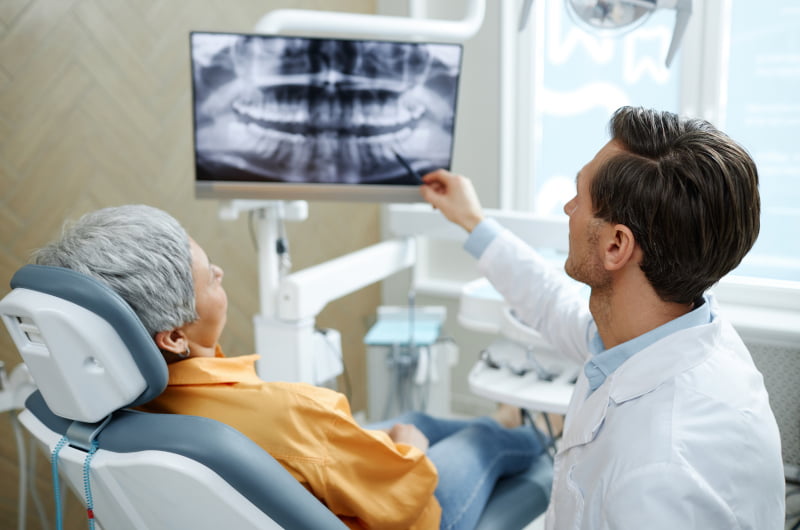
It is completely normal to take time before deciding on a major dental procedure. However, the mouth does not pause while you consider your options. Understanding what changes over time can help you decide when to act.
Once a tooth is lost or extracted, the bone that once surrounded its root begins to resorb. In the first year alone, the ridge can lose a significant portion of its width. As more bone disappears, the foundation available for implants becomes thinner, and treatment that would have been straightforward at an earlier stage may require supplemental grafting or a modified surgical approach.
Remaining teeth also respond to gaps. Neighbouring teeth drift into empty spaces, opposing teeth over-erupt, and the bite gradually shifts out of alignment. These changes can increase the complexity of reconstruction and, in some cases, add to the overall cost.
Ongoing infection around failing teeth carries its own risks. Bacteria from chronic dental infections enter the bloodstream and have been linked in peer-reviewed research to increased systemic inflammation. Addressing the source of infection sooner rather than later removes that burden from the body.
None of this is intended to pressure anyone into a decision. It is simply a reality of oral biology that starting the conversation early keeps more options open and can make the eventual treatment simpler.
What Sets Our Barrie Clinic Apart
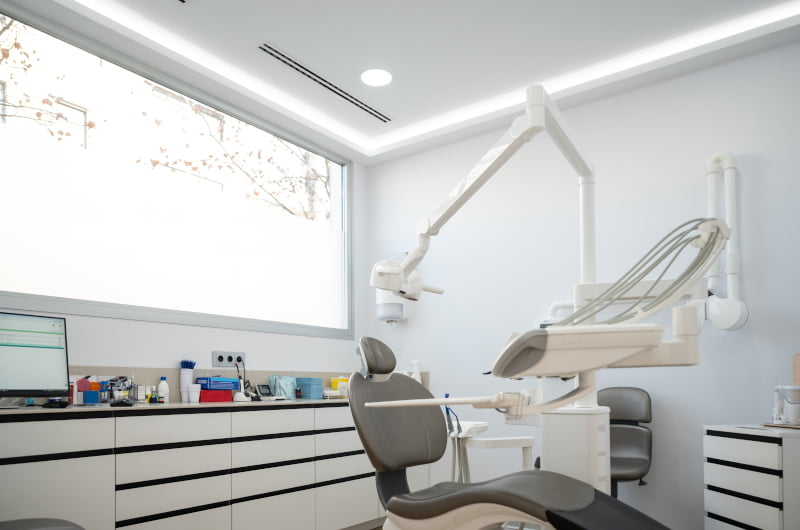
Plenty of clinics offer dental implants. Full-arch reconstruction, however, is a coordinated procedure that demands experience across surgery, sedation, prosthetics and digital design. Here is what patients at our Barrie location can expect:
- A surgical team that has been delivering Teeth in a Day and All-on-4 procedures since 2004, with the volume of cases that comes from two decades of focused practice.
- A connected digital workflow where CBCT imaging, intraoral scanning and 3D printing all happen in the same building, eliminating the delays and miscommunications that arise when components are outsourced.
- Multiple levels of sedation dentistry, from nitrous oxide for mild anxiety to IV sedation for complex surgical sessions, are administered by a dentist who holds a Master's in Sedation.
- Transparent pricing is published upfront, with three material tiers so patients choose the level that matches their priorities rather than discovering the cost after committing.
- Every phase of treatment, from the first scan to the final restoration seating, is handled by the same clinical team in one location.
The Clinicians Behind Your Treatment
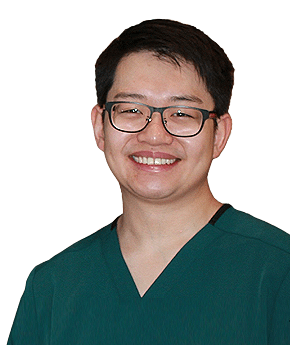
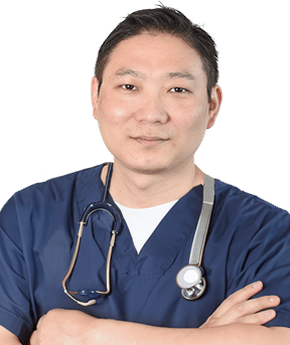
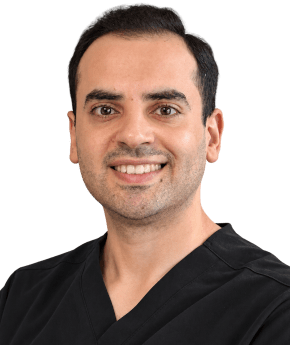
A full-arch case moves through several clinical stages: surgical planning, implant placement, sedation management, provisional fabrication and final restoration. At our clinic, these stages are handled by dentists who collaborate daily rather than working in isolation. Below are the lead clinicians involved in your care:






Patient Results: Before and After
The photographs show outcomes from real patients treated at our clinic. In each case, failing or missing teeth were replaced with a fixed full-arch restoration supported by implants. The changes are not only cosmetic. Patients consistently describe improvements in chewing ability, speech clarity and the simple confidence to smile without thinking about it.
Living with Your New Teeth: Food, Care and Durability
What Can You Eat?
During the initial healing weeks, a soft diet protects the integration process. Once the implants have bonded with the bone, dietary restrictions are largely behind you. Patients regularly tell us they are eating steak, apples, corn on the cob and other foods they had given up long ago. The fixed bridge distributes biting force across the implants much the way natural roots distribute it across the jaw, so chewing feels stable and predictable.
How Do You Keep Them Clean?
Daily care involves brushing the bridge surfaces and using either a water flosser or specialized floss threaders to clean beneath the restoration where it meets the gum. The routine takes a few minutes and is straightforward once you are shown the technique. Regular professional hygiene visits are essential. The hygienist uses instruments designed for implant-supported restorations to remove any buildup without scratching the surface of the bridge or the implant components.
How Long Will They Last?
The titanium implants themselves are engineered for permanence and, with consistent oral hygiene and professional maintenance, can remain functional for decades. The bridge that sits on top of them is subject to everyday wear and may eventually require refurbishment or replacement, particularly if PMMA was chosen. We discuss expected maintenance timelines for each material tier during the planning stage to avoid surprises down the road.
Sedation for Patients Who Feel Anxious
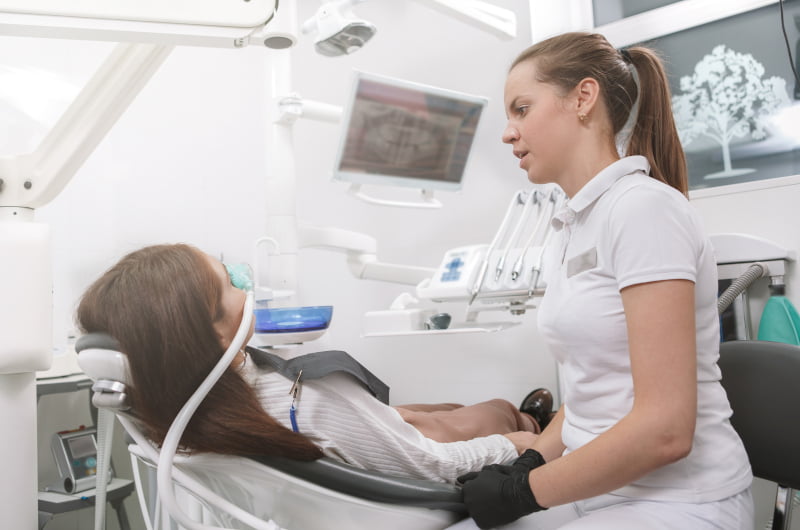
Fear of dental procedures is one of the most commonly cited reasons for postponing treatment, and it carries no judgment. Our approach is to match the level of sedation to the complexity of the procedure and the patient's comfort threshold.
Nitrous oxide is available for mild anxiety. Oral sedation provides a deeper level of relaxation for patients who need more than nitrous alone. For longer surgical sessions or patients with significant dental phobia, IV sedation administered by Dr. Guorgui allows you to remain in a deeply relaxed, semi-conscious state throughout the procedure. You can explore all available options on our sedation dentistry page.
The Canadian Dental Care Plan and Full-Arch Treatment
The CDCP is a federal program that subsidizes essential dental services for eligible Canadian residents who lack private insurance. Coverage is determined by household income and is administered through Sun Life. Our clinic participates in the program and submits claims directly.
Elective and cosmetic treatments, including dental implants in most circumstances, are generally outside the scope of CDCP coverage. Certain prosthodontic services may be eligible with pre-authorization, but the program was not designed to fund full-arch reconstruction. Because we follow the Ontario Dental Association fee guide, patients are also responsible for any co-payment and for the gap between ODA fees and the CDCP reimbursement schedule. We review your specific coverage before any treatment begins and explain how our financing options can work alongside whatever public or private benefits you have. Full details are available on our CDCP dentist in Barrie page.
Getting to Our Barrie Clinic
Address
370 Bayview Drive, Suite 102, Barrie, ON L4N 7L3. The clinic is situated on Barrie's south end, with ground-level access and on-site parking.
Highway Access
The Highway 400 exits at Bayfield Street or Duckworth Street put you within minutes of the clinic, making it a practical choice for patients across Simcoe County.
Regional Patients
We regularly treat patients from Innisfil, Orillia, Midland, Collingwood, Angus and other communities in the region who travel to Barrie for specialized implant care.
Single-Location Treatment
Every appointment, from the first scan to the final restoration seating, takes place at the same address, so there is no need for referral to an outside surgical centre.
Take the First Step
A conversation costs nothing and commits you to nothing. If you have been researching full-arch options for months or even years, a consultation lets you move from reading to knowing. We review your specific situation and give you a clear picture of what treatment would involve, what it would cost and how long it would take. Many patients tell us the hardest part was picking up the phone, and that once they did, the path forward felt far simpler than they had imagined.
Frequently Asked Questions
The procedure itself is performed under local anesthesia combined with your chosen level of sedation, so pain during surgery is not something patients experience. Afterward, mild soreness and swelling are common for a few days and are typically managed with over-the-counter pain relief and cold compresses. Most patients say the discomfort was considerably less than they had anticipated.
There is no upper age limit. Candidacy depends on overall health, bone density and the condition of the soft tissue, not on a number in your chart. We have treated patients well into their eighties. A CBCT scan and a medical history review during the consultation tell us everything we need to assess eligibility.
Patients who qualify for same-day treatment leave with a fixed provisional bridge on the day of surgery. The integration period that follows typically spans several months, during which the implants bond with the bone. Once integration is confirmed, we replace the provisional with the permanent restoration. The total elapsed time from surgery to the final bridge is usually 4 to 6 months.
Bone deficiency does not automatically exclude you. Angled implant placement, strategic site selection guided by CBCT data and, where necessary, supplemental grafting techniques can make treatment possible for many patients who were previously considered ineligible. We assess this during the consultation and explain your options clearly.
The titanium implant posts are designed to remain in the jaw permanently. The bridge attached to them is subject to normal wear and may require refurbishment or replacement over time, depending on the chosen material. Regular professional maintenance and good home care are the two strongest predictors of long-term success.
Yes. Monthly payments start at approximately $400 on approved credit. During the consultation, we provide a detailed cost breakdown and walk you through the available payment plans so you can make a decision with full financial clarity.
In many cases, yes. Treating the upper and lower arches in the same surgical session reduces the total number of appointments and allows for coordinated bite planning from the outset. Whether a dual-arch approach is appropriate depends on your health, bone availability and treatment goals, all of which we evaluate during the planning stage.
A removable denture sits on the gum tissue and relies on suction or adhesive for retention. All-on-X teeth are fixed to implants embedded in the jawbone, so they cannot move. The practical differences are substantial: no adhesive, no palate coverage, no removal for cleaning, and a biting force closer to that of natural teeth. The comparison table earlier on this page outlines the key distinctions in detail.