
Dr. Robert Eisen is an esteemed dentist with a wealth of experience in the field. His commitment to excellence is evident through his involvement in various professional associations and dental study groups. He further honed his expertise with a post-graduate program in Cosmetic Dentistry at the University of Buffalo in 1995 and by graduating from the prestigious Pankey Institute, a world-renowned post-graduate dental training facility. Beyond his professional accomplishments, Dr. Eisen is deeply committed to serving the community, contributing to establishing a Dental Clinic for disadvantaged youth in Toronto, ON. His passion for dentistry and patient compassion make him a highly regarded and trusted practitioner.
Are Same-Day Crowns Right for You? Pros, Cons & Cost
Same-day crowns are right for you when the damaged tooth still has a solid rim of healthy tooth, the surrounding gums are stable, and you can stay for one longer appointment. A lab-made crown is the plan when the crack runs deep, the bite is uneven, or the gum needs treatment before a cap can seal. The deciding factor is the tooth in the chair, not the wish to finish in a single sitting.
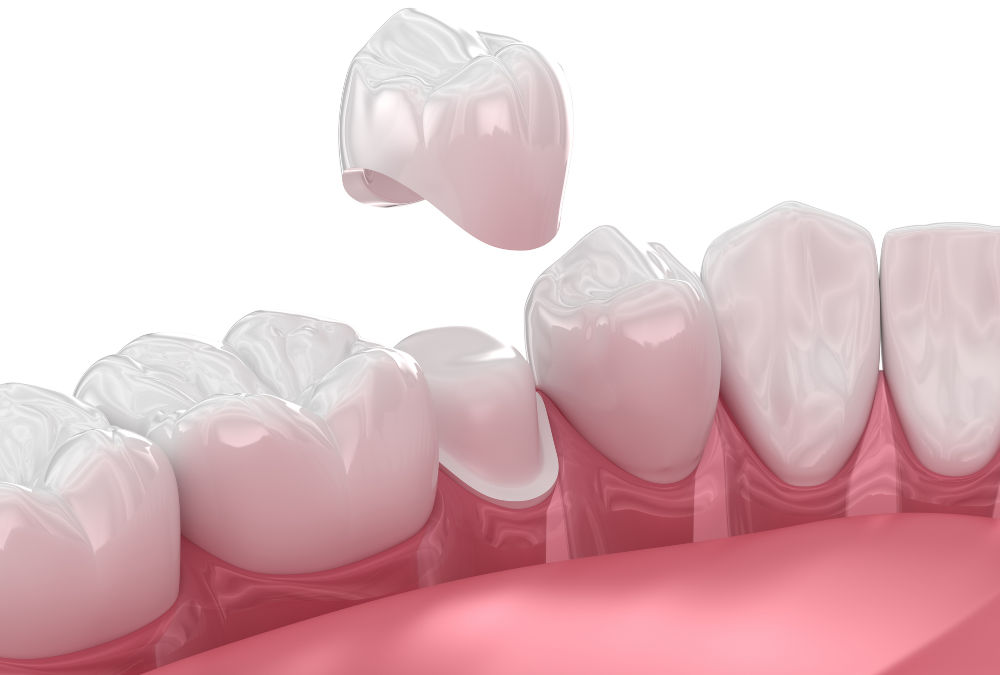
A one-visit crown is a ceramic cap designed from a digital scan and milled in the dental office, then checked and bonded before you leave. You skip the temporary cap and the return visit a commercial laboratory needs. The trade-off is a longer appointment and a narrower set of teeth than a two-visit crown can cover.
The fee still depends on the tooth, the material used, and whether an outside lab is billed. A crown isn't the right restoration for a small cavity, and it doesn't replace a missing tooth. Brushing, flossing, and an even bite keep the edge sealed after you go home.
Key Takeaways
- A one-visit crown is a reasonable choice when the tooth still has enough structure and the gums are stable.
- The cap is designed and milled in the office, so you leave without a temporary crown and without a second trip.
- A two-visit crown is the plan when decay, a deep crack, or an uneven bite needs more work first.
- The fee is not one national price. It varies by tooth, material, and any commercial laboratory charge.
- With good care, a crown can last 10 years or longer. Grinding, a chip, and new decay at the edge are the usual reasons one fails.
- A small cavity still belongs under a filling. A crown covers the whole visible tooth when a filling can no longer hold it.
- Book a long enough visit, and ask for a written estimate before they prepare the tooth.
Find our Dental Clinic Near You
How same-day crowns are made in one visit
A same-day crown is finished before you leave: the tooth is prepared, scanned, designed, and milled from a ceramic block. Same-day dental crowns follow that order only when the tooth can be isolated and bonded in the same sitting. Dr. James C.H. Ko and Dr. Robert Eisen both provide same-day crowns. Dr. Eisen plans treatment with digital scanning, and a broken tooth can be assessed the same day through emergency dentistry , with a milled crown used only where the tooth can hold one.
What the scan has to capture
The scanner replaces the impression-putty tray many people remember from older crowns. It records the prepared tooth, the adjacent teeth, and how the opposing teeth meet. Those three records are what the design has to satisfy. A shape that ignores the bite will feel high the next morning, even if it looks right on the screen.
The dentist needs a margin, the edge where the crown will meet the tooth, that the scanner can see all the way around. Blood, saliva, or a margin hidden under a swollen gum turns that edge into guesswork. The tooth isn't ready to be milled in that state, even if the visit was booked as a single appointment.
From the ceramic block to the bonded cap
The mill cuts the crown from a solid block while you wait. The dentist tries it on the tooth before mixing any cement. Floss should snap through the contact, not shred, and the bite is checked in straight-line and side movements. The dentist polishes off high spots on the crown.
If the milled crown does not seat, or the colour is wrong for a front tooth, the next step is a laboratory crown and a temporary cover until that crown returns. Starting a one-visit appointment does not lock you into a poor fit. A crown that rocks, or cement left under the gum, can make the tooth sore afterward.
- The tooth is numbed and shaped so a cap has room to sit, with a clear edge near the gum.
- A digital scan records the prepared tooth, the neighbouring teeth, and the opposing bite.
- The crown is designed on screen and milled from a ceramic block in the office.
- The crown is tried in, the bite and the contacts are adjusted, and then it is bonded.
- The bite is checked again after the cement sets, and you are told what to avoid that day.
Numbing is a local anesthetic. Once the tooth is numb, you feel pressure, not a sharp cut, and the lip stays thick until it wears off. Ask how long to set aside when you book. A molar that needs several bite adjustments takes longer than a simple premolar.
What the exam checks before the tooth is prepared
Preparation is the point of no return, because a reduced tooth needs a cap, milled today or made in a lab. The exam is the shorter visit where you make that choice, with an X-ray when decay or a crack isn't obvious on the surface. A tooth that hurts when tapped, or that lingers with cold, needs the nerve assessed before anyone mills a cap over it.
The walls, the margin, and the bite
A crown grips what is left of the tooth above the gum. The dentist checks whether those walls are tooth or old filling. A stump that is mostly filling material, with a short collar of real tooth, often cannot hold a ceramic cap on its own. The plan then includes a foundation under the crown, or a different restoration, and that may not finish in one visit.
Bite paper shows which teeth hit first. Say so if you clench or wake with a sore jaw, because a ceramic cap on a tooth that already takes the whole chew will take that force at night. A probe also checks the gum. Bleeding and a deep space mean the crown waits until that tissue is quiet.
A crown that fell off is a different visit
A crown that came off in one piece, with the tooth still inside the shape it left, is often recemented. That is a short visit. It is not the same appointment as designing and milling a new cap. Bring the old crown with you. Do not try to stick it with household glue. Glue on the inside of an old crown, or on the stump, stops a proper cement from sealing.
If the tooth under the lost crown has new decay, or the crown is cracked, recementing will not hold. Pain, a bad taste, or a gum boil means infection comes first, and you plan a new cap only after that is under control.
How a one-visit crown compares with a lab crown
Both restorations are caps over a damaged tooth. The difference is where the cap is made, and what you wear while you wait. A one-visit crown is milled while you are still in the chair. A lab crown is built at a commercial laboratory from a scan or a mould, and a temporary covers the tooth until a second visit.
On the two-visit path, the tooth is shaped, a record is taken, a temporary protects it, and the final crown is cemented later. That path fits when the mill cannot cut the material you need, or when gum care or a root canal has to come first. Strength follows the tooth, the bite, and whether the edge stays clean.
| Point | One-visit crown | Two-visit crown |
|---|---|---|
| Visits | One longer appointment | Two visits, often 1 to 2 weeks apart |
| Temporary cap | Not used when the crown is finished that day | Worn between the preparation and the fit visit |
| Record of the tooth | Digital scan | Digital scan or a physical mould |
| Where the cap is made | Milled in the office | Commercial laboratory |
| Fits | One tooth with enough structure and a simple bite | A deep crack, a heavy bite, or several teeth |
| Outside lab line | Often absent, because no lab made the cap | A laboratory charge added to the professional fee |
"A one-visit crown is the right call when the tooth still has a solid wall left, and the bite is simple. If the crack runs under the gum, or the gum is swollen, I treat that first. Milling a crown onto an unstable tooth does not save the tooth," says Dr. James C.H. Ko, DDS, MSc, Barrie Smile Centre .
Why there is no temporary crown
A temporary crown is a short-term cap, usually plastic, worn while a laboratory makes the final one. It protects the prepared tooth from cold, keeps the neighbouring teeth from drifting into the gap, and holds the bite space open. It is also the piece that comes off on sticky food, irritates the gum, and looks a little like the tooth you wanted replaced.
A one-visit crown skips that week because the final cap is ready before you leave. The temporary still has a job when decay is deeper than expected, when a root canal comes first, or when the milled crown doesn't fit. A prepared tooth left bare is sensitive, and the gum can creep over the margin if the stump stays uncovered.
- Cold sensitivity. Dentine is exposed as soon as a temporary comes off, and cold air or water hits the nerve endings in that dentine.
- A shifting contact. If the gap stays open, the tooth beside it can lean in, and the bite space closes.
- Gum irritation. A rough temporary edge, or cement left around it, makes the gum red and sore.
- A lost temporary. Caramel, gum, and crusty bread pull a plastic cap off. It needs a recement, not a wait until the lab date.
If a laboratory crown is already underway and the temporary falls out, bring it in for a recement. Do not use household adhesive. It contaminates the stump, and the final crown then seals poorly.
What a CEREC crown is, and which material fits
CEREC is the name patients use for a chairside system that scans a tooth, designs a ceramic restoration, and mills it in the office. CEREC crowns are full caps, while an inlay or an onlay covers only the damaged part and leaves more enamel when the walls are still strong. The dentist chooses among those three, and the machine does not.
Which material suits the tooth
Crown materials are not interchangeable, and a chairside mill does not make all of them. Metal crowns, including gold, are extremely durable and are typically used on back teeth, where the colour shows less. They tend to be kind to the tooth they bite against. Composite crowns look natural and chip less easily than porcelain, but they can wear faster and stain more easily as the polished surface dulls.
Porcelain looks the most like enamel and is a strong choice for front teeth, and it can chip more easily than metal. Porcelain-fused-to-metal combines a strong inner layer with a tooth-coloured outer layer. The metal can show as a grey line if the gum is thin or recedes later. A mill in the office cuts a tooth-coloured ceramic block. It does not pour a gold crown. If the tooth is a second molar, you grind, and the tooth never shows, a lab-made gold or porcelain-fused-to-metal crown can be the more sensible prescription even though it takes two visits.
Front teeth and back teeth are different jobs
A front crown is judged at conversation distance, so a small colour mismatch on an incisor is a reason to use a laboratory even when a mill is in the office. A molar is judged by thickness and a shared bite, and thin ceramic on a heavy molar is how porcelain chips. A premolar often needs both looks and strength, and a tooth that grinds needs a night guard in the plan.
What changes the dental crown cost
There is no single dental crown cost for every office or every tooth, because dentists in Ontario set their own fees. The tooth, the material, the time, and any lab invoice affect the total. Ask for a written estimate after the exam, while the enamel is still intact.
The professional fee and the laboratory line
A crown made in a commercial laboratory is one treatment that can carry commercial laboratory charges on top of the dentist's professional fee. Those laboratory charges are extra. The amount passed on to you is the exact amount the lab charged the dentist. On the claim, the professional fee and the laboratory charge are separate lines, and the plan decides what it pays on each line.
A crown milled in the office often has no outside laboratory invoice, because the cap was not sent out. The professional fee still covers the appointment, the ceramic block, and the time spent designing and adjusting. The written estimate should say which lines are included, including what a laboratory backup would add.
What to send the plan before you book
Send the estimate of the professional fee and any laboratory charge to the plan for a predetermination. The reply shows what the plan expects to pay. If it pays a percentage, or still uses an older fee guide, the unpaid share is yours. A buildup or a root canal is its own line, so ask for those to be written down when the X-ray suggests the pulp is involved.
Who should wait for a lab-made crown?
A one-visit crown fits a single tooth that still has walls, a fairly even bite, and gums quiet enough for a clean margin. It is a poor match when several teeth need caps, the crack runs under the gum, or infection is still in the pulp. If a long block in the chair is the hard part, a two-visit plan splits the work and the tooth can still be restored.
Teeth that usually qualify
You are in range when the damage is a broken cusp, a crack that stops above the gum, or a filling so wide that the remaining walls flex when you bite. The dentist still needs enough natural tooth above the gum to grip. A short stump that is mostly old filling will not hold a ceramic cap just because a mill is down the hall.
A tooth that has already had root canal treatment is a common reason for a crown, especially a molar. A filling or a crown may restore that tooth afterward. Molars typically need a crown for strength. Front teeth do not always need one. A same-day milled crown is possible only when the root canal is finished, and the tooth is calm enough to bond. Swelling, a gum boil, or pain when you touch the tooth is not a milling appointment.
One tooth is the usual case. Rebuilding a whole side of the mouth means the crowns have to be designed together so the jaw closes evenly, which is a laboratory plan, not a series of single mills.
Teeth that should wait
Bleeding gums and deep pockets need non-surgical gum therapy before placing a crown margin in inflamed tissue. Plaque and tartar under the gum are what open those pockets. A new crown ledge in a bleeding pocket traps more plaque, and the gum recedes until the crown edge shows. Treat the gum, let it settle, then record the margin.
- Deep decay still soft at the margin, so the crown would sit on rotten dentine rather than sound tooth.
- A crack under the gum that the scanner cannot see and a milled cap cannot seal.
- Several teeth at once, where the bite has to be rebuilt as a group.
- A bite that is already high on one side, or grinding with no night guard planned.
- Too little tooth left to hold a cap, which may mean a different restoration or a talk about removing the tooth.
Stain on intact enamel is not a reason to cut a healthy tooth down the same day. A crown removes enamel all the way around. It is for a tooth that needs strength or full coverage.
How long dental crowns last
With good care, crowns can last 10 years or longer . That figure is for crowns in general. It is not a separate warranty for a crown milled in one visit, and it is not a promise that a lab crown lasts a different decade. The life of the cap follows the tooth under it, the material, and what you do with the bite.
Brush and floss the crowned tooth the way you clean the others. Don't chew ice, pens, or other hard objects, and don't use the tooth to tear tape or open packaging. Crowns are strong, but they still aren't as tough as an untouched tooth in every direction. A habit that chips enamel will chip porcelain sooner.
New decay at the edge, where the crown meets the tooth, is a failure that shows up when you never floss that contact. The crown itself does not decay. The tooth beside the edge does. Porcelain can chip, which is the known limit of that material. A night of grinding on a new molar can fracture ceramic that would have been fine in a light bite. Cement can wash out if the crown was bonded wet, or if the margin was never closed.
A loose crown, a rock under a finger, or a sour taste at the edge should be seen before the stump decays past another cap. An X-ray at a checkup sees decay under an edge that still looks fine in the mirror. Waiting until the tooth hurts usually means the next restoration has to be larger.
When a filling is not enough
A filling replaces a hole, and a crown covers the whole visible tooth when the walls can no longer stand chewing. Dental fillings repair a cavity with tooth-coloured composite when the tooth walls still surround the hole. Once a wall is gone, the tooth flexes around the filling until another piece cracks off.
After a root canal
A molar that has had the pulp removed is hollow, and it no longer has the moisture of a living pulp. It needs coverage so chewing does not split it. The canals should be sealed first. The crown comes after, the same day or at a later visit, once you can bite without the deep pain that meant the nerve was still inflamed. Bonding a cap over an unfinished root canal traps the problem under ceramic.
A front tooth after a root canal sometimes turns dark. A crown can mask that colour. It can also be more reduction than the case needs if the walls are still thick. A more conservative cover of the front surface may be enough, and the exam is what separates those two. Appearance on its own is a weak reason to reduce a strong incisor all the way around.
If the walls are intact and only an edge is sharp, a filling may be enough. If a whole corner is gone, or the tooth hurts when you release a bite, the tooth needs coverage. Bring the broken piece if you still have it.
How to look after a new crown
Stick to softer foods until the anesthetic wears off so you don't bite a numb cheek. After feeling returns, use the tooth, because a crown you never chew on is one you cannot tell is high. Mild cold sensitivity for a few days is common, while sharp pain on biting or pain that wakes you needs a look.
The day you leave
A new edge feels different to the tongue for a day or two, even when the fit is right. That awareness is not failure. Pain when you close, or a tooth that hits before the others, is not the same feeling. Call and have the bite adjusted. A high crown bruises the ligament around the root, and the bruise feels like the crown has failed when the fix is a few minutes of polishing.
Floss that night. Shredded floss means a rough contact. Floss that will not pass means the contact is too tight. Both are short adjustments if you call before the gum stays sore.
The months after
Clean the margin. That is the line at the gum where the crown ends and the tooth begins, and it is where the next cavity starts. A toothbrush bristle often misses it. Floss or a small interdental brush does not. Regular cleaning removes tartar a brush cannot reach, which matters more beside a crown than on an untouched tooth because the edge creates a small ledge.
If you grind, a night guard is part of looking after ceramic. The mill doesn't change the force your jaw makes at night, and a smooth crown during the day doesn't show that load.
"The longer visit is the trade for leaving without a temporary. Before you go, I check the bite in every direction. A high spot on a new crown is what makes the tooth sore the next morning," says Dr. Robert Eisen, DDS, Barrie Smile Centre .
A one-visit crown fits a straightforward tooth
A one-visit crown is the restoration when one tooth still has walls, the gum is quiet, and the bite is simple enough to design and mill before you leave. You leave with a finished cap and no temporary. A well-made laboratory crown is just as strong when the tooth and edge are sound, and the exam determines which cap you need.
The fee follows the tooth, the material, and any commercial laboratory charge. A predetermination tells you what the plan will pay before we remove enamel. Porcelain looks natural and can chip. Gold lasts on a back tooth, and it shows. Ten years or longer is a care figure for crowns in general, not a separate clock for a milled cap.
A small cavity still takes a filling. A missing tooth is a different problem from a damaged one. A swollen gum or a crack under the gum waits until you address that tissue or that crack. The useful question is whether this tooth can be sealed today.
If the tooth is cracked, heavily filled, or already root-treated, book an exam and ask for a written plan before they prepare it. Barrie Smile Centre is at 370 Bayview Drive, Suite 102, Barrie, and that visit is where dental crowns are sorted against a filling or a lab-made cap.
Frequently Asked Questions
Can a crown be made the same day?
Yes, when the tooth has enough structure, the gum is quiet, and the crown can be scanned, milled, and bonded in that visit. A deep crack, an active infection, or a bite that needs a laboratory material means the crown is finished later. Ask how long to book, because a molar with a difficult bite takes longer than a simple premolar.
How much does a same-day crown cost?
The fee depends on the tooth, the material, and whether a commercial laboratory is involved. There is no single Ontario price. Ask for a written estimate of the professional fee and any lab line, then send it for a predetermination so you know the plan's share before the tooth is prepared.
How much does a CEREC crown cost without insurance?
Without a plan, you pay the professional fee and any laboratory charge if the crown is not milled in the office. The cost still depends on the tooth and the material. Use the written estimate, not a national average and not a neighbour's bill from another city.
Are CEREC crowns worth it?
They make sense when you want a ceramic cap in one visit, and the tooth is simple enough to mill safely. They are a poor trade when the tooth needs gold, a deeper repair, or gum treatment first. The gain is convenience. With the same care, they don't have a different lifespan than other crowns.
How long do dental crowns last?
With good care, crowns can last 10 years or longer. That figure covers crowns in general, not a special term for a milled one. Grinding, a chipped porcelain surface, and new decay at the edge are what shorten their lifespan. Check early for a loose crown or a sour taste at the margin.
Do I still need a temporary crown?
Not when you mill and bond the final crown in the same visit. You do need a temporary if the case goes to a laboratory, if a root canal has to be finished first, or if the milled crown does not fit and the prepared tooth must stay covered.
Can any tooth get a same-day crown?
No. A single tooth with solid walls and healthy gums is the usual case. Several teeth, a crack under the gum, or a stump with too little structure should wait. Front teeth and molars also call for different materials, and a front tooth may still be better made in a lab for the shade.
What changes the cost of a porcelain crown?
Porcelain is chosen when the tooth shows and a natural look matters, and it can chip more easily than metal. The fee still depends on which tooth it is and on whether a lab makes the crown. A predetermination is how you see your share before treatment starts.


See what our patients are saying:
The Barrie Smile Centre is the best dental office I've ever been to. The staff is very friendly,professional and knowledgeable. They take away any anxiety and fear of going for a procedure. I highly recommend them!

Very clean, professional and friendly! They have done lots of work for me including 2 implants. I highly recommend them!
Very clean, professional and helpful. 2 other dentists previously tried to fix my composite veneer and both times it look awful and/or was the wrong colour. One trip here and everything was fixed!
Very friendly, helpful staff. Makes you feel welcome as soon as you enter. I needed a tooth removed and got in the same day I called. When I arrived I didn’t have to wait. I have numerous problem with my teeth and they came up with a solution. Thank you all so much.
Just got home from the Smile Centre and I'm thrilled with my results. Had Zoom whitening, and it was better than I expected. The attendant took the time to explain everything super thoroughly. She warned I may have sensitivity but so far so good. I wish I did it ages ago.
The first thing I noticed upon entering the building was the beautiful design plan and lovely staff. I was greeted at the door and made comfortable throughout my entire experience. Everything was explained to me in detail and the staff always made sure I fully understood. This is an amazing office and I would 10/10 recommend it!!
Amazing fast clean attentive friendly ! Im sold! Thankkk youuuuu guys !!!!!!! Had a wisdom.tooth taken out under sedation! All.went perfect and you guys were awesomee!
Every time I go to the Smile Centre in Barrie it’s an amazing experience! Everyone from the admin staff to the dentists are so helpful. Not only do they tell you your options (in my case options for a missing tooth), but they also explain the pros and cons of every option. I highly recommend the Smile Centre
Barrie Smile Centre is truly amazing I called and had an issue with with some tooth pain they were able to fit me in same day which I was truly grateful for. All the staff are kind and professional they truly care about there patients. Big thank you to Dr.Eisen for being so kind and helping me in this situation. I highly recommend Barrie Smile Centre 😃 Thanks again
Great family dentist, has always been on time for appointments. Doing a great job during these times with cleanliness as well! Very professional staff!