

Dr. Robert Eisen is an esteemed dentist with a wealth of experience in the field. His commitment to excellence is evident through his involvement in various professional associations and dental study groups. He further honed his expertise with a post-graduate program in Cosmetic Dentistry at the University of Buffalo in 1995 and by graduating from the prestigious Pankey Institute, a world-renowned post-graduate dental training facility. Beyond his professional accomplishments, Dr. Eisen is deeply committed to serving the community, contributing to establishing a Dental Clinic for disadvantaged youth in Toronto, ON. His passion for dentistry and patient compassion make him a highly regarded and trusted practitioner.
What Causes Tooth Sensitivity and How to Treat It Effectively
Key Takeaways
- Tooth sensitivity is commonly caused by enamel erosion, gum recession, or exposed dentin.
- Lifestyle factors — like acidic diets or aggressive brushing — can accelerate sensitivity.
- Early intervention prevents progression to more invasive and costly procedures.
- Chronic sensitivity can subtly affect chewing, nutrition, and mental well-being.
- Tooth sensitivity can appear differently in children and adults due to developmental and environmental factors.
- Treatments like fluoride varnish, bonding, or gum grafts have high long-term success rates when paired with professional care.
A sharp sting from a sip of cold water or sudden discomfort while brushing is a familiar experience for many people. Tooth sensitivity can appear unexpectedly or develop gradually, but in most cases, it signals that the tooth’s natural protective barriers have been compromised. Causes range from minor enamel wear to more serious dental conditions that require professional care. We explore what leads to tooth sensitivity, how to tell the difference between temporary discomfort and a warning sign, and which modern dental treatments can provide long-lasting relief while helping protect your smile for the future.
What are the most common causes of tooth sensitivity?
Tooth sensitivity can make even a sip of coffee or a breath of cool air painful. This discomfort usually stems from enamel loss or gum recession, which exposes the more sensitive layers of your teeth. Understanding the causes helps prevent future pain and maintain long-term oral health.
Enamel Erosion
Enamel acts as the tooth’s natural shield. When it wears down — whether from acidic foods, acid reflux, or frequent snacking on citrus or carbonated drinks — the underlying dentin becomes exposed. Once dentin is exposed, external stimuli like temperature changes can trigger sharp pain.
Gum Recession
As gums recede, they uncover the tooth roots, which lack protective enamel. Gum recession often results from:
- Aggressive brushing
- Periodontal (gum) disease
- Aging or genetics
When the root surface is visible, it becomes far more responsive to cold, heat, and touch.
Exposed Dentin
Dentin contains microscopic tubules that connect directly to the tooth’s nerve centre. Once exposed, even mild irritants — like sweet foods or air — can send a sudden pain signal to the brain. This exposure also raises the risk of bacterial invasion, which can lead to decay or infection if ignored.
Cavities and Decay
Tooth decay creates weak spots or holes that open pathways to the nerves. Without treatment, these lesions progress deeper, leading to continuous sensitivity and potential infection. In advanced cases, untreated cavities can affect surrounding teeth or require more extensive dental intervention.
Teeth Grinding (Bruxism)
Chronic grinding or clenching wears away enamel and stresses the tooth structure. It may also lead to microfractures, worsening sensitivity over time. People who grind their teeth often experience jaw pain or headaches, adding to the overall discomfort.
Lifestyle Factors That Make It Worse
- High consumption of acidic beverages (soda, wine, energy drinks)
- Improper brushing technique — too much force or hard-bristled brushes
- Skipping fluoride toothpaste, which helps remineralize enamel
Even small daily habits — like sipping soda slowly or brushing immediately after meals — can accelerate enamel wear and heighten sensitivity.
Common Causes and Their Effects on Sensitivity
| Cause | Description | Effect on Sensitivity |
|---|---|---|
| Enamel erosion | Loss of protective layer from acids or abrasion | Dentin exposure and nerve irritation |
| Gum recession | Gums pull away, exposing roots | Heightened reaction to cold and touch |
| Cavities | Decay creates nerve pathways | Persistent localized pain |
| Grinding (Bruxism) | Physical wear from clenching | Surface cracks and sensitivity |
| Aggressive brushing | Damages enamel and gums | Chronic exposure of the tooth roots |
Why are my teeth suddenly so sensitive?
A sudden spike in tooth sensitivity can feel alarming. Unlike chronic cases, these episodes often signal an acute change — a crack, infection, or recent dental procedure.
Tooth Fractures or Cracks
Even tiny fractures can expose the inner layers of your teeth, allowing temperature or pressure changes to trigger pain.
“Fractures are often invisible to the naked eye,” explains Dr. Amir Guorgui, BSc, DMD, MACSD of Barrie Smile Centre. “But they can be a major cause of sudden, localized sensitivity — especially after biting on something hard.”
Infections or Abscesses
An infected tooth root or nerve inflammation leads to sharp or throbbing pain. Unlike temporary sensitivity, infection pain usually worsens with time and may require root canal therapy.
Whitening Treatments
Teeth whitening, while safe, can temporarily open dentinal tubules, allowing stimuli to reach the nerves. The sensitivity usually resolves within 24–48 hours. However, repeated or overly frequent whitening may prolong sensitivity or irritate gums.
Recent Dental Work
After procedures such as fillings, crowns, or cleanings, sensitivity is common due to nerve irritation. If it persists beyond two weeks, an evaluation may be needed to ensure the fit and seal of restorations.
Persistent vs. Temporary Sensitivity
| Type | Duration | Common Causes | Recommended Action |
|---|---|---|---|
| Temporary | A few hours to 2 days | Whitening, recent cleaning | Use desensitizing toothpaste |
| Persistent | More than 2 weeks | Fractures, infection, gum disease | Visit a dentist for an assessment |
How does cold sensitivity develop in teeth?
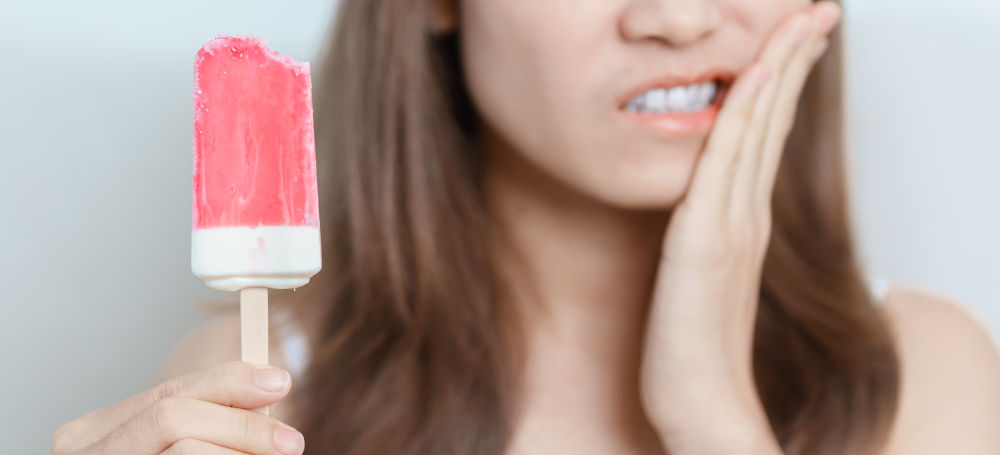
Cold sensitivity happens when nerves inside your teeth are suddenly exposed or overstimulated. That sharp sting from ice cream or cold air? It’s your tooth’s way of signalling that its protective barriers are compromised.
Step 1: Enamel or Filling Damage
When enamel or a dental filling cracks, it opens microscopic pathways directly to dentin tubules. These channels transmit cold sensations straight to the nerve centre.
Step 2: Gum Recession and Root Exposure
If gums recede, the cementum covering the tooth root can wear away easily, leaving nerve endings exposed.
Step 3: Dentin Exposure
Once dentin is open, temperature changes reach the pulp almost instantly. The more exposed the dentin, the stronger the pain response.
Step 4: Nerve Response
The nerve reacts by firing a sharp pain signal. Over time, chronic exposure can make nerves hypersensitive, causing pain even to mild stimuli.
Cold Sensitivity Development
| Stage | Event | Resulting Sensation |
|---|---|---|
| 1 | Enamel or filling damage | Occasional sharp pain |
| 2 | Gum recession | Increased reaction to cold air or drinks |
| 3 | Dentin exposure | Frequent, lasting discomfort |
| 4 | Nerve overreaction | Persistent hypersensitivity |
Why does my tooth hurt only when I chew or bite down?

That sharp, localized pain when you bite into something hard — only to have it fade moments later — isn’t your imagination. This kind of pain often points to a mechanical problem in your tooth or surrounding tissues.
Cracked Tooth Syndrome
Tiny fractures in the enamel or root can cause discomfort only during pressure, like when you chew. Over time, cracks allow bacteria and temperature changes to penetrate deeper layers. These fractures are often invisible to the naked eye but can worsen if left untreated, potentially leading to pulp inflammation or infection. Regular dental exams and imaging help detect these cracks early before they progress.
Abscess or Infection
A tooth abscess forms when bacteria enter the pulp through decay or cracks. The resulting pressure inside the tooth causes intense pain on biting, sometimes accompanied by swelling or throbbing sensations. Infections can also cause sensitivity to temperature and may spread to surrounding tissue if not treated promptly.
Misalignment or Bite Issues
If teeth don’t align properly, pressure is distributed unevenly. Over time, this leads to sensitivity and discomfort when chewing, particularly on one side of the mouth. Misalignment can also contribute to jaw strain and accelerated enamel wear.
Loose or Damaged Fillings
Old or worn fillings may become slightly detached from the tooth structure, letting bacteria seep in. Each bite can cause subtle movement of the filling, aggravating the underlying nerve. This can also expose the dentin layer, leading to temperature sensitivity or decay beneath the restoration. Replacing or resealing the filling promptly can prevent worsening pain and further structural damage.
When to See a Dentist
- Pain persists for more than 2–3 days
- You notice swelling, redness, or a bad taste in your mouth
- Discomfort increases when biting on a specific tooth
Ignoring these symptoms can result in infection or tooth loss. Early evaluation is key.
Common Bite-Related Pain Causes
| Cause | Description | Recommended Action |
|---|---|---|
| Cracked tooth | Small fracture in the enamel or root | Dental exam, possible crown or bonding |
| Abscess | Infection at the root tip or gum | Antibiotics, root canal, drainage |
| Misalignment | Uneven bite or grinding habit | Bite adjustment, night guard |
| Loose filling | Old or defective restoration | Replacement or refilling |
| Gum disease | Inflammation causing root exposure | Deep cleaning, scaling, and root planing |
Are sensitive teeth a sign of a more serious dental issue?
Sometimes, tooth sensitivity is just an annoyance. Other times, it’s your mouth’s way of signalling a deeper problem. Distinguishing between the two can make all the difference.
Mild Sensitivity: Usually Surface-Level
- Triggered by cold air, sweets, or brushing
- Often related to worn enamel or receding gums
- Improves with desensitizing toothpaste or fluoride rinses
Serious Sensitivity: A Sign of Underlying Disease
- Constant, lingering pain even without stimulation
- Pain localized to one tooth
- Sensitivity worsening over weeks instead of improving
“If your teeth remain sensitive despite good hygiene and desensitizing toothpaste, there’s likely an underlying issue,” explains Dr. Maryam Yazdi, DDS. “Common culprits include decay under fillings, gum infection, or early nerve inflammation.”
According to the Canadian Dental Association, ongoing sensitivity can indicate:
- Deep cavities approaching the tooth pulp
- Periodontal disease, leading to bone loss and nerve exposure
- Microfractures from grinding or trauma
What professional treatments help fix sensitive teeth long-term?
When at-home measures don’t cut it, professional intervention offers lasting relief. Modern dentistry provides multiple options tailored to each cause of sensitivity — from enamel reinforcement to nerve protection.
Fluoride Varnish & Desensitizing Treatments
Fluoride varnish strengthens enamel and seals exposed dentin tubules. These quick, painless applications are ideal for patients with mild-to-moderate enamel wear. The varnish forms a thin protective coating that helps reduce nerve stimulation and restore the tooth’s natural defence against temperature changes.
Dental Bonding
For localized damage or receding gums, a thin bonding resin covers exposed areas, blocking stimuli from reaching the nerves. Bonding also restores tooth shape and prevents further enamel loss.
Root Canal Therapy
If sensitivity stems from nerve inflammation or infection, a root canal removes the damaged tissue while preserving the outer tooth structure. It’s a definitive solution for persistent pain that doesn’t respond to surface treatments.
Gum Grafts
When gum recession exposes tooth roots, gum grafting restores coverage and protects against future exposure. This treatment is both aesthetic and functional, offering relief and preventing sensitivity recurrence.
Bite Adjustment or Mouthguards
For patients with bruxism or alignment issues, customized mouthguards protect enamel from nighttime grinding and relieve bite-related stress. These devices are tailored to your bite, ensuring even pressure distribution across all teeth and reducing strain on the jaw.
Professional Treatments for Tooth Sensitivity
| Treatment | Best For | How It Works | Longevity |
|---|---|---|---|
| Fluoride varnish | Enamel erosion, early-stage sensitivity | Strengthens enamel, seals tubules | 3–6 months per application |
| Bonding | Exposed roots, localized wear | Covers sensitive areas with resin | 3–10 years |
| Root canal | Infected pulp, chronic pain | Removes damaged nerve tissue | Permanent solution |
| Gum graft | Gum recession | Rebuilds gum tissue over roots | Long-term stability |
| Bite adjustment/mouthguard | Grinding or misalignment | Protects enamel, reduces pressure | Continuous benefit |
How to prevent tooth sensitivity from returning in the future?
Preventing sensitivity isn’t just about temporary relief — it’s about creating habits that protect enamel and gums for life. Even if your teeth feel fine now, following consistent preventive steps can save you from recurring pain and unexpected dental visits.
Step 1: Brush Gently, Not Forcefully

A soft-bristled toothbrush and a fluoride toothpaste designed for sensitivity are your best tools. Aggressive brushing might feel effective, but it actually wears away enamel and irritates gums.
Technique tip:
Hold your brush at a 45-degree angle to your gums and move in gentle circular motions for at least two minutes.
Step 2: Adjust Your Diet
Acidic foods erode enamel over time. Consider limiting:
- Citrus fruits and juices
- Soft drinks and sports beverages
- Wine and vinegar-based foods
After consuming acidic drinks, rinse with water before brushing. Brushing immediately afterward can push acid deeper into enamel.
Step 3: Address Grinding and Clenching
Teeth grinding (bruxism) often happens at night, silently damaging enamel. Custom night guards available at Barrie Smile Centre can protect your teeth while you sleep.
Step 4: Schedule Regular Dental Cleanings
Routine cleanings remove plaque buildup and allow early detection of gum recession or microfractures.
Step 5: Maintain Fluoride Protection
Fluoride strengthens weakened enamel and closes microscopic tubules that cause sensitivity. Regular fluoride varnish applications can be part of your preventive visits.
A 2025 study published in Frontiers in Oral Health found that professional application of fluoride varnish, alone or combined with diode laser therapy, significantly reduced dentin hypersensitivity by helping to block exposed dentinal tubules and decrease pain levels over time.
Why do my front teeth hurt more than others?
It’s a surprisingly common observation: front teeth tend to be more sensitive than molars. Their anatomy, exposure, and constant use make them vulnerable to both physical and environmental stressors.
The Role of Front Teeth
Your incisors and canines are the first line of defence for biting and tearing food. This frequent contact exposes them to more mechanical and temperature variations. Because they’re thinner and less cushioned by surrounding structures than molars, they’re often the first to show signs of enamel wear or trauma.
Common Causes
- Enamel Erosion:
The thin enamel at the front is more likely to wear down from acid or brushing pressure. Once the dentin is exposed, pain can occur even from cold air. - Nerve Proximity:
Front teeth have larger pulp chambers relative to their size, meaning nerves are closer to the surface. - Trauma and Microcracks:
Even a minor bump — like biting hard candy — can cause microscopic cracks invisible to the naked eye. - Gum Recession:
When gums recede, the root surfaces of front teeth become exposed, increasing their sensitivity.
Lifestyle Factors That Worsen Front-Teeth Sensitivity
- Overuse of whitening strips or gels
- Habitual nail-biting or opening packages with teeth
- Cold exposure, like frequent ice chewing
Why Front Teeth Are More Sensitive
| Factor | Mechanism | Prevention Strategy |
|---|---|---|
| Thin enamel | A less protective layer over dentin | Use remineralizing toothpaste |
| Nerve proximity | Pulp closer to the tooth surface | Avoid extremes of temperature |
| Microtrauma | Cracks from biting hard foods | Avoid hard objects, schedule an X-ray if pain persists |
| Gum recession | Exposed root surfaces | Gentle brushing, regular dental visits |
Can sensitive teeth affect my overall oral health?
The short answer: absolutely. Sensitivity may start as mild discomfort but can ripple into broader effects on oral and even mental health.
Impact on Chewing and Nutrition
Painful teeth can make people subconsciously avoid certain foods, particularly those that are hard, cold, or crunchy.
- This often reduces intake of fruits, vegetables, and proteins, leading to imbalanced nutrition.
- Some patients develop altered chewing patterns that strain the jaw or neighbouring teeth.
2. Psychological and Behavioural Effects
Chronic discomfort can lead to avoidance behaviour — skipping dental appointments, brushing less thoroughly, or even fearing daily hygiene routines.
Clinical research indicates that dentin hypersensitivity can negatively affect people’s oral health-related quality of life, making everyday activities such as eating, drinking, brushing and even social interactions uncomfortable for many sufferers. Studies using validated quality-of-life measures have shown that patients with hypersensitive teeth report restrictions in daily function and emotional wellbeing compared with people without sensitivity.
Connection to Decay and Gum Disease
When sensitivity discourages proper brushing, plaque accumulation increases the risk of:
- Tooth decay
- Gingivitis and periodontitis
- Bad breath and enamel demineralization
Long-Term Consequences
If left untreated, sensitivity can eventually cause chronic inflammation in the tooth pulp and lead to the need for more invasive procedures like root canals. Ongoing irritation may also weaken surrounding tissues, contributing to gum recession or bone loss over time. Beyond physical damage, persistent discomfort can affect eating habits and overall oral hygiene, as people often avoid brushing sensitive areas.
Is tooth sensitivity different in children vs adults?
While tooth sensitivity is common across all ages, its causes and treatments differ significantly between children and adults. Recognizing those differences helps parents — and patients — act early before discomfort turns into dental damage.
Sensitivity in Children
In children, sensitivity often arises from developing enamel, newly erupting teeth, or early decay. Since enamel in baby and newly erupted permanent teeth is thinner, it offers less protection to the underlying dentin.
Common triggers include:
- Poor brushing habits or excessive force
- High intake of acidic snacks or juices

Sensitivity in Adults
For adults, sensitivity typically stems from cumulative wear or lifestyle habits:
- Gum recession from aging or aggressive brushing
- Tooth grinding (bruxism)
- Erosion from diet or acid reflux
- Dental work, such as fillings or crowns exposing sensitive areas
Adults also face a higher risk of nerve exposure due to thinner enamel layers and longer-term wear.
When to Worry
Parents should contact a dentist if a child complains of sensitivity for more than a few days, especially if accompanied by visible cavities, swelling, or pain when chewing.
Adults should seek professional evaluation when:
- Sensitivity persists beyond two weeks
- Pain worsens with pressure or heat
- Over-the-counter treatments offer no relief
Tooth Sensitivity by Age Group
| Age Group | Common Causes | Treatment Options | When to See a Dentist |
|---|---|---|---|
| Children | Erupting teeth, cavities, and poor brushing | Desensitizing toothpaste, fluoride varnish, cavity treatment | If pain lasts over 3 days or affects eating |
| Adults | Gum recession, enamel erosion, and grinding | Bonding, varnish, root canal (if severe) | If persistent or worsens with pressure |
Pediatric insight: Clinical research on dentin hypersensitivity shows that the prevalence of sensitivity in children and adolescents varies widely depending on age, diet, hygiene and enamel development, with studies reporting rates from about 4.7 % to 45.2 % in younger populations. This range reflects how sensitivity is assessed and the many factors (such as enamel thickness and oral care habits) that influence whether a child experiences discomfort.
How long should I wait before seeing a dentist for tooth sensitivity?
The timeline for seeing a dentist depends on the duration, intensity, and triggers of your discomfort. Some sensitivity resolves with basic care, but prolonged pain may indicate a more serious issue.
Step 1: First 48 Hours — Try At-Home Relief
If the pain is mild and triggered by cold or sweet foods:
- Use a toothpaste for sensitive teeth twice daily.
- Avoid acidic or extremely hot/cold foods.
- Brush gently with a soft-bristled toothbrush.
- Rinse with a fluoride mouthwash once daily.
Step 2: After 3–5 Days — Reassess
If pain persists, avoid self-diagnosing. Sensitivity that lingers beyond five days could suggest:
- Enamel wear or cracks
- Gum recession
- Cavity formation
At this stage, an in-office desensitizing treatment or fluoride varnish may be required.
Step 3: When It Becomes Urgent
You should see a dentist immediately if you experience:
- Sharp, localized pain when biting
- Swelling or bleeding gums
- Pain that keeps you awake at night
- Sensitivity is limited to one specific tooth
What do dentists recommend for treating cold-sensitive teeth?
When the chill of ice cream or a sip of cold water sends a sharp sting through your teeth, the issue typically lies in exposed dentin or compromised enamel. Fortunately, both home care and professional treatments can offer lasting relief.
Step 1: Identify the Trigger
Note whether your sensitivity occurs:
- Only with cold foods/drinks (usually enamel-related)
- With pressure or biting (possibly a crack or infection)
- Across multiple teeth (likely enamel erosion or gum recession)
Step 2: Over-the-Counter (OTC) Options
- Desensitizing toothpastes containing potassium nitrate block nerve signals.
- Fluoride rinses help rebuild enamel.
- Soft-bristle toothbrushes and gentle brushing minimize abrasion.
Consistency is key — most patients see improvement within 2–3 weeks of daily use.
Step 3: Prescription or In-Office Treatments
For persistent cold sensitivity, dentists may recommend:
- Professional fluoride varnish or gel application
- Bonding to cover exposed dentin
- Gum grafts if recession exposes roots
- Root canal therapy is performed when nerve inflammation is confirmed
“In our clinic, we use customized desensitizing treatments that can last up to six months,” says Dr. James C.H. Ko, DDS. “They’re ideal for patients whose cold sensitivity returns seasonally.”
Step 4: Ongoing Prevention
- Limit acidic foods and carbonated drinks.
- Avoid overuse of whitening strips.
- Maintain biannual dental cleanings at Barrie Smile Centre.
OTC vs Professional Treatments for Cold Sensitivity
| Treatment Type | Examples | Effectiveness | Best For |
|---|---|---|---|
| OTC | Desensitizing toothpaste, fluoride rinse | Moderate (2–3 weeks) | Mild, early-stage sensitivity |
| Professional | Bonding, varnish, gum graft, root canal | High and long-lasting | Persistent or severe cases |
| Lifestyle | Gentle brushing, dietary changes | Preventive | All patients |
Clinical research indicates that dentin hypersensitivity — including sensitivity to cold — is a common dental condition encountered in practice, with prevalence estimates ranging widely depending on the population studied and diagnostic methods used. A review article summarizing epidemiological data notes that dentin hypersensitivity can affect a significant proportion of adults and that management strategies often include combinations of at-home desensitizing agents (such as potassium nitrate toothpastes) and professional applications like fluoride varnish or other in-office treatments to reduce symptoms.
Sensitive Teeth, Simple Answers: What You Need to Know
How long does it take for tooth sensitivity to go away?
Mild sensitivity often improves within a few days of using desensitizing toothpaste or fluoride rinses. If pain persists beyond two weeks, it could indicate an underlying issue such as a crack, infection, or gum recession that requires professional care. Persistent or worsening discomfort should always be assessed by your dentist to prevent long-term complications.
Can tooth sensitivity mean I have a cavity?
Yes, sometimes sensitivity is an early warning sign of decay. Cavities can expose dentin and irritate the nerve inside the tooth, leading to sharp pain when eating or drinking. Early diagnosis allows your dentist to restore the tooth before more extensive treatment — like a root canal — becomes necessary.
Is whitening toothpaste safe if I have sensitive teeth?
Whitening toothpastes can heighten sensitivity, especially if they contain abrasive ingredients. If you already experience discomfort, switch to a fluoride-rich or desensitizing toothpaste instead. For patients wanting to whiten safely, in-office treatments with protective agents are a gentler option.
Why do my teeth hurt after dental cleaning?
After a cleaning, mild, short-term sensitivity is normal because the removal of plaque and tartar can briefly expose unprotected dentin. This usually subsides within 24–48 hours. Your hygienist may apply a fluoride varnish or desensitizing gel to minimize discomfort.
What foods should I avoid if I have sensitive teeth?
Acidic or sugary foods — like citrus fruits, soft drinks, wine, and sticky candies — can erode enamel and aggravate sensitivity. Try to rinse your mouth with water after consuming these items, and avoid brushing immediately afterward since enamel is temporarily softened by acid.
Can sensitive teeth be permanently cured?
Yes — when the underlying cause is properly treated. Professional options like fluoride varnish, bonding, or gum grafts can seal and protect exposed areas, offering long-term relief. Studies confirm that consistent fluoride application strengthens enamel and significantly reduces recurring sensitivity.
When should I see a dentist about sensitivity?
Book an appointment if sensitivity lasts longer than a week, worsens over time, or is limited to one specific tooth. Pain accompanied by swelling, bleeding, or difficulty biting can indicate infection or nerve inflammation that needs immediate treatment.
Can children get sensitive teeth too?
Yes. Children can experience temporary sensitivity as teeth erupt or when enamel is still developing. If sensitivity continues beyond a few days or affects eating, parents should consult a dentist to rule out early decay or enamel erosion.


See what our patients are saying:
The Barrie Smile Centre is the best dental office I've ever been to. The staff is very friendly,professional and knowledgeable. They take away any anxiety and fear of going for a procedure. I highly recommend them!

Very clean, professional and friendly! They have done lots of work for me including 2 implants. I highly recommend them!
Very clean, professional and helpful. 2 other dentists previously tried to fix my composite veneer and both times it look awful and/or was the wrong colour. One trip here and everything was fixed!
Very friendly, helpful staff. Makes you feel welcome as soon as you enter. I needed a tooth removed and got in the same day I called. When I arrived I didn’t have to wait. I have numerous problem with my teeth and they came up with a solution. Thank you all so much.
Just got home from the Smile Centre and I'm thrilled with my results. Had Zoom whitening, and it was better than I expected. The attendant took the time to explain everything super thoroughly. She warned I may have sensitivity but so far so good. I wish I did it ages ago.
The first thing I noticed upon entering the building was the beautiful design plan and lovely staff. I was greeted at the door and made comfortable throughout my entire experience. Everything was explained to me in detail and the staff always made sure I fully understood. This is an amazing office and I would 10/10 recommend it!!
Amazing fast clean attentive friendly ! Im sold! Thankkk youuuuu guys !!!!!!! Had a wisdom.tooth taken out under sedation! All.went perfect and you guys were awesomee!
Every time I go to the Smile Centre in Barrie it’s an amazing experience! Everyone from the admin staff to the dentists are so helpful. Not only do they tell you your options (in my case options for a missing tooth), but they also explain the pros and cons of every option. I highly recommend the Smile Centre
Barrie Smile Centre is truly amazing I called and had an issue with with some tooth pain they were able to fit me in same day which I was truly grateful for. All the staff are kind and professional they truly care about there patients. Big thank you to Dr.Eisen for being so kind and helping me in this situation. I highly recommend Barrie Smile Centre 😃 Thanks again
Great family dentist, has always been on time for appointments. Doing a great job during these times with cleanliness as well! Very professional staff!