
Dr. Robert Eisen is an esteemed dentist with a wealth of experience in the field. His commitment to excellence is evident through his involvement in various professional associations and dental study groups. He further honed his expertise with a post-graduate program in Cosmetic Dentistry at the University of Buffalo in 1995 and by graduating from the prestigious Pankey Institute, a world-renowned post-graduate dental training facility. Beyond his professional accomplishments, Dr. Eisen is deeply committed to serving the community, contributing to establishing a Dental Clinic for disadvantaged youth in Toronto, ON. His passion for dentistry and patient compassion make him a highly regarded and trusted practitioner.
Dental Implants Guide: Everything You Need to Know
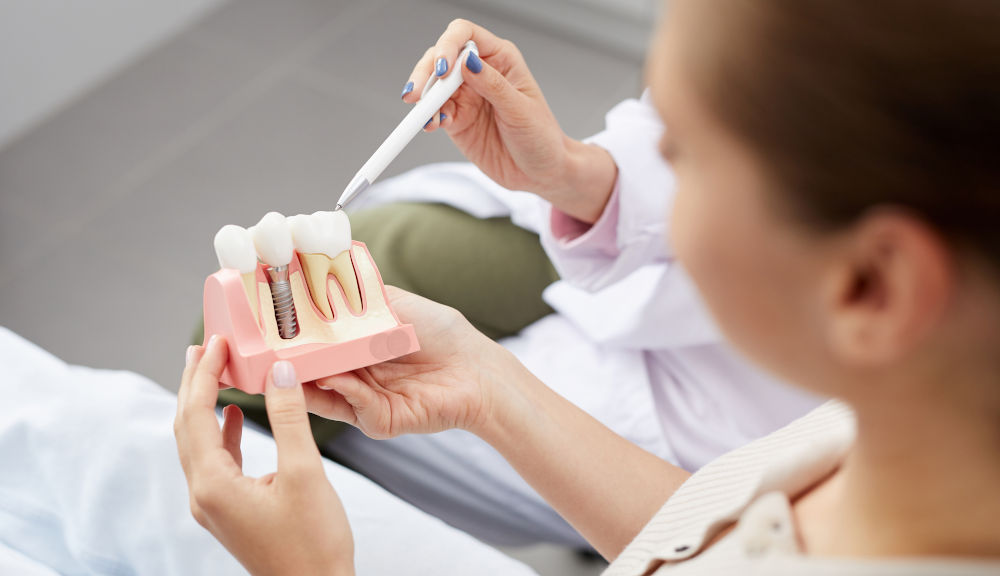
A dental implant is a titanium post surgically placed into the jawbone to replace the root of a missing tooth. Once the post fuses with the bone, a connector called an abutment is attached, and a custom-made crown is placed on top to restore the visible tooth. The result is a permanent tooth replacement that looks, feels, and functions like a natural tooth. With proper care, a dental implant can last a lifetime, unlike dentures or bridges, which typically need to be replaced every 10 to 15 years.
Key Takeaways
- A dental implant has three parts: a titanium post (root replacement), an abutment (connector), and a porcelain crown (visible tooth).
- Implants preserve jawbone density, something dentures and bridges cannot do, which helps prevent the facial changes associated with long-term tooth loss.
- Most patients with adequate bone density and good general health are candidates for tooth implants; a consultation confirms eligibility.
- The full implant procedure typically takes 3 to 9 months, depending on whether bone grafting is needed beforehand.
- Dental implants in Canada range from approximately $1,500 to $6,000 per tooth; coverage varies by insurance plan.
Find our Dental Clinic Near You
What Is a Dental Implant? The Three-Part Structure Explained
Understanding what a dental implant consists of helps patients set realistic expectations before their first consultation. Unlike dentures, which sit on the gum surface, or bridges, which rely on adjacent teeth for support, a tooth implant replicates the entire structure of a natural tooth from root to crown.
| Component | Material | Function | Can Be Replaced Independently? |
|---|---|---|---|
| Post (implant body) | Titanium or zirconia | Anchors into the jawbone; fuses via osseointegration to act as an artificial root | No — permanent once fused |
| Abutment | Titanium, gold, or ceramic | Connects the post to the crown; allows future crown access without disturbing the post | Yes — removable by the dentist |
| Crown | Porcelain or ceramic | The visible tooth matched the size, shape, and colour of the surrounding teeth | Yes — replaced if worn or damaged |
The post is made from titanium in most cases because titanium is biocompatible, meaning the body does not reject it. The process by which the post fuses with the jawbone is called osseointegration, and it typically takes three to six months to complete. This fusion is what gives implants their stability and their ability to transmit chewing pressure directly to the bone, just as a natural root would.
Ceramic or zirconia implants are available as a metal-free alternative for patients with specific sensitivities or preferences. Clinical outcomes are comparable in appropriate cases, and the choice between titanium and ceramic is discussed during the consultation based on each patient’s situation.
Types of Dental Implants: Which Option Fits Your Case
Dental implants are not a one-size-fits-all solution. The appropriate type depends on how many teeth are missing, where they are located, the condition of the jawbone, and the patient’s overall health. The table below compares the main implant options available to patients.
| Implant Type | Teeth Replaced | Number of Posts | Typical Timeline | Best Suited For |
|---|---|---|---|---|
| Single tooth implant | 1 | 1 | 3 to 6 months | One missing tooth with healthy adjacent teeth |
| Implant-supported bridge | 2 to 4 | 2 | 4 to 8 months | Several consecutive missing teeth; avoids crowning healthy neighbours |
| Implant-supported dentures | Full arch (upper or lower) | 4 to 6 | 6 to 12 months | Full arch replacement with more stability than traditional dentures |
| All-on-4 implants | Full arch | 4 | 1 to 2 days for provisional teeth | Full arch with minimal bone; fewer surgical sites needed |
| Zygomatic implants | Full arch (upper) | 2 to 4 placed in the cheekbone | Assessed individually | Severe upper jaw bone loss where standard implants are not possible |
For patients missing an entire arch of teeth, All-on-4 implants represent a significant advancement in implant dentistry. The approach uses just four strategically angled posts to support a full set of fixed teeth, often allowing provisional teeth to be placed within one or two days of surgery. This is a very different experience from the traditional process of receiving multiple individual implants over the course of a year. Your dentist in Barrie will assess which configuration is appropriate for your specific anatomy and goals.
The Dental Implant Procedure: Step by Step
The implant procedure is a staged process. Each stage has a clinical purpose, and the overall timeline is determined largely by how the body heals at each step. The table below outlines what happens and how long each stage typically takes.
| Stage | What Happens | Approximate Timeframe |
|---|---|---|
| Initial consultation and imaging | 3D cone beam CT scan, X-rays, medical history review, bone density assessment | 1 to 2 appointments |
| Bone grafting (if required) | Bone graft placed to build up insufficient jawbone density; healing time required before implant placement | 2 weeks to 6 months, depending on graft type |
| Implant post placement | Post is surgically placed into the jawbone under local anesthetic or sedation; a healing cap is placed; the gum is sutured | 1 appointment; 1 to 2-hour procedure |
| Osseointegration (healing) | Post fuses with the jawbone; a temporary crown or denture may be worn during this phase | 3 to 6 months |
| Abutment placement | Gum reopened, abutment attached to post; impressions taken for permanent crown | 1 appointment |
| Crown fitting | Permanent custom crown placed and adjusted for bite and aesthetics | 1 to 2 appointments |
| Follow-up and maintenance | Routine check-ins to confirm implant stability and gum health | Ongoing — same as natural teeth |
A Note on Bone Grafting
Not every patient requires a bone graft. Grafting becomes necessary when the bone at the implant site has insufficient volume or density to securely anchor the post. This can happen after a tooth has been missing for some time, since the jawbone naturally recedes when it no longer has a root to support. The type of graft required, whether a socket graft, a block graft, or a sinus augmentation for upper jaw implants, is determined through imaging at the initial consultation. Many patients who are told they are not candidates for implants elsewhere can proceed with implants after appropriate grafting.
What Anesthesia Is Used?
Most single-tooth implant placements are performed under local anesthesia. For patients who are anxious about the procedure, or for more extensive cases involving multiple implants, sedation options are available. Your dental team will discuss which approach is appropriate for your case at the pre-surgical consultation.
“The patients who tend to have the best experience are those who understand the timeline before they start. When someone knows that osseointegration takes several months and is not a sign of anything wrong, they approach each stage with patience rather than concern. That mindset makes the whole process smoother for everyone.” — Dr. Yeou Shuin (Sean) Liu, General Dentist
Are You a Good Candidate for Dental Implants?
The most common question patients ask before their first implant consultation is whether they are eligible. The table below provides a general overview. A clinical assessment with imaging is the only way to confirm candidacy for any individual case.
| Factor | Good Candidate | Requires Assessment Before Proceeding |
|---|---|---|
| Bone density | Adequate bone volume at the implant site | Bone loss present — grafting may expand eligibility |
| Gum health | No active gum disease | Active periodontitis must be treated first |
| General health | No uncontrolled systemic conditions | Diabetes, osteoporosis, blood thinners — managed with dental and medical team coordination |
| Smoking | Non-smoker | Smokers face higher failure rates; cessation significantly improves outcomes |
| Age | Adult with a fully developed jaw (typically 18+) | Younger patients assessed on jaw development status |
| Oral hygiene | Consistent daily brushing and flossing | Poor hygiene habits must be addressed before implant placement |
| Previous dental treatment | Teeth extracted or missing for any reason | A history of radiation to the jaw requires a specialist evaluation |
It is worth noting that many factors that appear to disqualify a patient can be managed or corrected. Bone loss can be addressed through grafting. Gum disease can be treated before implant placement. Patients with controlled diabetes can receive implants safely with proper coordination between their dental and medical teams. The first step is always a consultation with a thorough assessment, not an assumption about what is or is not possible. If you have been told in the past that you are not a candidate, it is worth seeking a current evaluation from an experienced cosmetic dentist in Barrie who regularly performs implant procedures.
Why Patients Choose Implants Over Dentures and Bridges
Dental implants, traditional dentures, and fixed bridges all restore the appearance of a complete smile, but they function very differently over time. The table below compares them across the factors that matter most to patients considering their options.
| Factor | Dental Implants | Dentures | Dental Bridges |
|---|---|---|---|
| Lifespan | Lifetime with proper care | 7 to 10 years | 10 to 15 years |
| Jawbone preservation | Yes — stimulates bone through post | No bone loss continues | No — does not address bone |
| Removal required | No — permanently fixed | Yes — daily removal for cleaning | No — fixed in place |
| Adjacent teeth affected | No — standalone restoration | No | Yes — neighbouring teeth must be crowned |
| Eating experience | Same as natural teeth | Reduced bite force; some restriction | Near normal, some caution with hard foods |
| Cleaning routine | Brush and floss as normal | Separate soaking and cleaning are required | Floss threader needed under the bridge |
| Initial cost (Canada) | Higher upfront investment | Lower upfront cost | Moderate cost |
The single most significant clinical advantage of implants over both dentures and bridges is bone preservation. When a tooth root is absent, the jawbone beneath it gradually resorbs, meaning it decreases in volume over time. This is why people who wear dentures for many years often develop changes in their facial structure, as the bone that once supported the jaw diminishes. A dental implant post stimulates the bone the same way a natural root does, preventing this process. No other restoration type addresses bone loss at the source.
The maintenance comparison is also worth noting. Dentures require nightly removal, soaking, and separate cleaning. A bridge requires a floss threader to clean beneath the pontic. Implants require nothing beyond the same brushing, flossing, and regular dental cleaning routine you would follow for your natural teeth.
“I often tell patients that the upfront cost of implants feels significant, but when you account for the fact that dentures need replacing every seven to ten years and implants typically last a lifetime, the long-term value is very different. The more important question is usually not the cost of the implant, but the cost of leaving the tooth unreplaced, including bone loss, shifting teeth, and the increasing complexity of treatment over time.” — Dr. Yeou Shuin (Sean) Liu, General Dentist
Dental Implants Cost: What to Budget in Canada
Dental implant costs in Canada vary depending on the complexity of the case, the type of implant used, whether preparatory procedures such as bone grafting or tooth extraction are required, and the region. The following ranges are representative of what patients should expect in Ontario.
| Procedure | Approximate Cost Range (Ontario) | Notes |
|---|---|---|
| Single tooth implant (post + abutment + crown) | $3,000 to $6,000 | All-inclusive; varies by material and case complexity |
| Bone grafting (if required) | $300 to $3,000 | Depends on graft type and volume needed |
| Tooth extraction (if required) | $150 to $400 | Varies by tooth type and difficulty |
| Implant-supported bridge (per arch segment) | $5,000 to $15,000 | Two posts supporting three to four teeth |
| All-on-4 full arch | $20,000 to $35,000 per arch | Includes all four posts, abutments, and fixed provisional and permanent prosthesis |
| Implant-supported dentures | $15,000 to $30,000 per arch | Varies by number of posts and denture type |
Dental implants are not routinely covered by standard dental insurance plans in Canada, though some plans do provide partial coverage when tooth loss results from an accident or is medically necessary. It is worth contacting your insurer before your consultation to clarify your coverage. Financing options are available at our clinic to help patients manage the cost of treatment over time. To better understand what is involved in your specific case and the total cost, the most practical step is a consultation and imaging appointment with our dental team in Barrie .
Dental Implants in Barrie: Getting Started at Barrie Smile Centre
At Barrie Smile Centre, we provide full-scope implant treatment from the initial consultation and imaging through to final crown placement and long-term maintenance. Every case begins with a thorough clinical assessment, including 3D imaging to evaluate bone volume and anatomy, before any treatment plan is proposed.
Our consultations are designed to give patients a complete picture of their options, the anticipated timeline, and the total cost before making any decisions. There is no obligation to proceed at the consultation appointment.
- Full implant treatment managed in-house from assessment to crown
- 3D cone beam CT imaging for precise treatment planning
- Sedation available for patients who prefer a more relaxed experience
- Financing options to help manage treatment costs
- Serving Barrie and surrounding communities in Simcoe County
Call us or book your implant consultation online to get started.
Frequently Asked Questions About Dental Implants
Are dental implants painful?
The surgical placement is performed under local anesthetic, so patients feel pressure but not pain during the procedure. Post-operative discomfort is typically manageable with over-the-counter pain medication and usually subsides within three to five days. Most patients describe the recovery as more straightforward than they anticipated.
How long do dental implants last?
The titanium post, once fully integrated with the jawbone, is considered a permanent restoration and can last a lifetime with proper oral hygiene and regular dental visits. The crown portion is subject to normal wear and may eventually need replacement, typically after 15 to 25 years, depending on the material and the patient's chewing habits.
What is the failure rate for dental implants?
Clinical studies consistently show dental implant success rates between 95% and 98% over 10 years. Failure most commonly occurs in the first year and is associated with factors such as smoking, uncontrolled diabetes, poor bone quality, or infection during healing. Patients who follow pre- and post-operative instructions and maintain good oral hygiene have a significantly lower risk of complications.
Do dental implants look natural?
Yes. The crown is fabricated from porcelain or ceramic and matched to the size, shape, and shade of the surrounding teeth. Because the implant post integrates with the bone and the crown sits at the natural gumline, the restoration is visually indistinguishable from a natural tooth in most cases.
Are dental implants covered by insurance in Canada?
Coverage varies significantly by plan. Many standard dental insurance plans in Canada do not include implants as a covered benefit, though some plans provide partial coverage when tooth loss results from an accident or when implants are medically necessary. Extended health plans and some employer group benefits may offer coverage for implants. It is worth reviewing your specific plan and speaking with your insurer before your consultation to understand what portion, if any, is covered.


See what our patients are saying:
The Barrie Smile Centre is the best dental office I've ever been to. The staff is very friendly,professional and knowledgeable. They take away any anxiety and fear of going for a procedure. I highly recommend them!

Very clean, professional and friendly! They have done lots of work for me including 2 implants. I highly recommend them!
Very clean, professional and helpful. 2 other dentists previously tried to fix my composite veneer and both times it look awful and/or was the wrong colour. One trip here and everything was fixed!
Very friendly, helpful staff. Makes you feel welcome as soon as you enter. I needed a tooth removed and got in the same day I called. When I arrived I didn’t have to wait. I have numerous problem with my teeth and they came up with a solution. Thank you all so much.
Just got home from the Smile Centre and I'm thrilled with my results. Had Zoom whitening, and it was better than I expected. The attendant took the time to explain everything super thoroughly. She warned I may have sensitivity but so far so good. I wish I did it ages ago.
The first thing I noticed upon entering the building was the beautiful design plan and lovely staff. I was greeted at the door and made comfortable throughout my entire experience. Everything was explained to me in detail and the staff always made sure I fully understood. This is an amazing office and I would 10/10 recommend it!!
Amazing fast clean attentive friendly ! Im sold! Thankkk youuuuu guys !!!!!!! Had a wisdom.tooth taken out under sedation! All.went perfect and you guys were awesomee!
Every time I go to the Smile Centre in Barrie it’s an amazing experience! Everyone from the admin staff to the dentists are so helpful. Not only do they tell you your options (in my case options for a missing tooth), but they also explain the pros and cons of every option. I highly recommend the Smile Centre
Barrie Smile Centre is truly amazing I called and had an issue with with some tooth pain they were able to fit me in same day which I was truly grateful for. All the staff are kind and professional they truly care about there patients. Big thank you to Dr.Eisen for being so kind and helping me in this situation. I highly recommend Barrie Smile Centre 😃 Thanks again
Great family dentist, has always been on time for appointments. Doing a great job during these times with cleanliness as well! Very professional staff!